Planning a Denver Wedding: How to Choose a Venue That Fits Your Vision
Planning a wedding is an exciting journey, but choosing the right venue can feel overwhelming when there are so many details to consider. From guest capacity and location to atmosphere and budget, your venue influences almost every part of the celebration. Couples exploring a wedding venue denver option should look beyond attractive photographs and consider how each space supports their wedding vision, guest experience, and overall plans.
Denver offers a diverse range of wedding settings, including historic buildings, elegant ballrooms, modern event spaces, and outdoor locations with beautiful Colorado scenery. The best choice is not necessarily the most expensive or popular venue. It is the one that reflects your style, accommodates your guests, and allows your wedding day to unfold comfortably.
1. Define Your Wedding Vision Before Touring Venues
Before scheduling venue visits, take time to discuss what you and your partner want your wedding to feel like. Some couples imagine a formal celebration with elegant decorations and a traditional reception, while others prefer a relaxed gathering with personal touches and a less structured atmosphere.
Create a list of your priorities. Consider whether you want an indoor ceremony, an outdoor celebration, a large dance floor, or an intimate space where guests can interact easily. Think about your preferred colors, decorations, entertainment, and overall theme.
It is also helpful to collect inspiration from wedding magazines, photographs, and planning websites. These ideas can help you recognize which architectural styles and layouts appeal to you.
However, keep your expectations flexible. A venue does not need to match every inspiration photograph to create a memorable celebration. Sometimes, a distinctive setting provides the perfect foundation for your decorations and personal details.
2. Set a Realistic Wedding Venue Budget
Your venue budget should account for more than the rental fee. Depending on the location and package, additional expenses may include catering, furniture, linens, lighting, security, setup, cleanup, and service charges.
Before signing a contract, ask for an itemized breakdown of all costs. Find out whether tables, chairs, preparation areas, sound equipment, and other essentials are included. Clarify whether you must use specific vendors or can select your own catering and decoration teams.
It is also important to ask about deposits, cancellation policies, payment deadlines, and possible overtime charges. These details can significantly affect your final spending.
Establish a total wedding budget first, then decide how much you can reasonably allocate to the venue. Keeping some money aside for unexpected expenses will make the planning process less stressful.
A beautiful venue is valuable, but it should not consume so much of your budget that you have to compromise on other important parts of the celebration.
3. Choose a Location That Works for Your Guests
Denver has several neighborhoods with different personalities, accessibility options, and surrounding attractions. When comparing locations, think about where your guests will be traveling from and how easily they can reach the venue.
Consider parking availability, public transportation, nearby hotels, and accessibility for guests with mobility requirements. If many attendees are traveling from outside Colorado, a venue near accommodation and transportation options may make their visit more convenient.
The surrounding neighborhood can also contribute to the atmosphere of your wedding. A historic urban district may appeal to couples seeking architectural character and a lively setting, while a more secluded location may be better suited to a quiet celebration.
If you choose a downtown or urban venue, check for parking fees, traffic patterns, and nearby construction that could affect arrival times. Providing clear directions and transportation information with your invitations can help guests plan ahead.
The goal is to select a location that complements your wedding style without making attendance unnecessarily difficult.
4. Match the Venue’s Style to Your Theme
Your venue should support the atmosphere you want to create. A historic space may provide exposed brick, distinctive architectural details, and a sense of character. A contemporary ballroom might offer a neutral backdrop for sophisticated floral arrangements, dramatic lighting, and modern decorations.
When visiting potential venues, imagine how your ceremony and reception would look in the actual space. Consider the colors, natural light, ceiling height, flooring, and existing architectural features.
A venue with a strong visual identity may require fewer decorations, helping you manage costs while maintaining a polished appearance. On the other hand, a simple space can provide more freedom to build a highly personalized theme.
Ask whether decorations can be attached to walls, ceilings, or other surfaces, and confirm any restrictions involving candles, confetti, or hanging installations.
Remember that your wedding photographs will preserve the atmosphere of the day for years. Choose a setting that feels meaningful to you rather than selecting a venue solely because it is fashionable.
5. Evaluate Capacity and Layout Carefully
A venue’s maximum capacity does not always indicate how comfortably it can accommodate your particular event. A room that holds a large number of guests for a standing reception may feel crowded when arranged with dining tables, a dance floor, and a ceremony setup.
Prepare a preliminary guest list before booking. Then ask the venue to explain how the space can be arranged for your expected attendance.
Think about the movement of guests throughout the celebration. Will there be enough room for dining, dancing, socializing, and photography? Can guests move between areas without disrupting the ceremony or reception?
If you plan to hold the ceremony and reception at the same location, ask whether the layout can be adjusted between events. Understand how much time is available for changing the room and who will manage the transition.
A practical layout allows guests to participate naturally in the celebration while giving the couple room to enjoy each moment without worrying about congestion or delays.
6. Consider Indoor and Outdoor Options
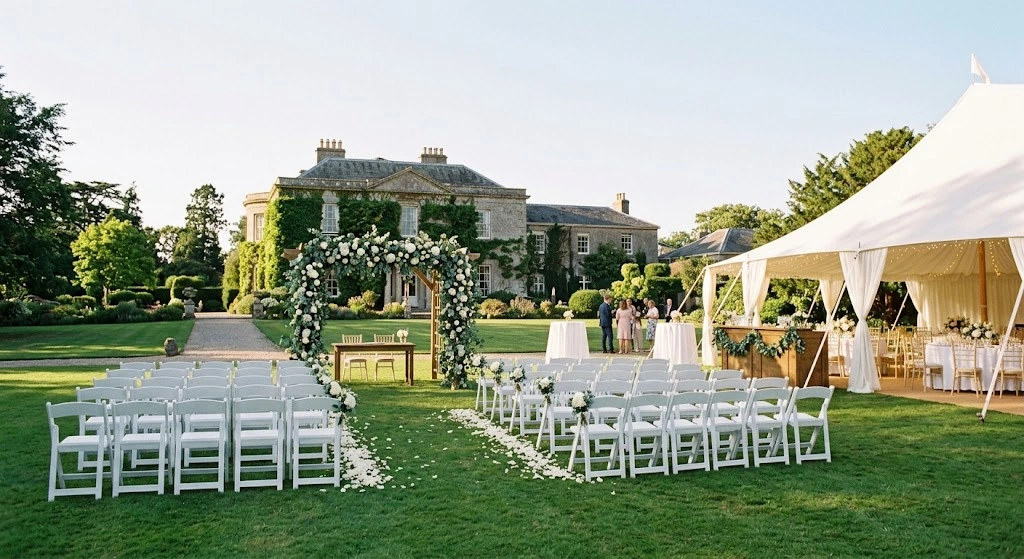
Colorado’s scenery can make an outdoor wedding especially appealing. However, weather conditions in Denver can change, and temperatures may vary considerably depending on the season and time of day.
If you are considering an outdoor ceremony or reception, ask about backup arrangements for rain, wind, or unexpected temperature changes. A dependable indoor alternative can help protect your plans if the weather does not cooperate.
Think about guest comfort as well. Shade, seating, accessible pathways, heating options, and restroom access can make a significant difference during an outdoor event.
Indoor venues offer greater protection from weather and may simplify arrangements for lighting, sound, and catering. Some venues provide a combination of indoor and outdoor areas, allowing couples to enjoy different settings throughout the day.
When comparing options, evaluate the complete experience rather than focusing only on the ceremony backdrop. A beautiful outdoor space is most successful when the practical arrangements are equally well planned.
7. Ask About Vendors, Services, and Restrictions
Every venue has its own policies regarding outside vendors and included services. Some offer comprehensive packages, while others provide the space and require couples to organize additional arrangements independently.
Ask whether the venue has preferred or required caterers, photographers, florists, DJs, and event coordinators. Find out whether outside vendors must provide insurance or meet specific arrival and setup requirements.
If you plan to personalize your celebration, confirm that the venue permits your intended decorations, entertainment, and event schedule.
It is also worth discussing the venue’s staff and coordination services. Ask who will be present on the wedding day, who handles setup and cleanup, and whom you should contact if a problem arises.
Understanding these responsibilities early can prevent confusion and unexpected expenses later.
8. Visit Your Shortlisted Venues Before Making a Decision
Photographs and virtual tours are useful for narrowing your options, but an in-person visit can reveal details that are difficult to assess online.
Pay attention to the overall condition of the space, cleanliness, acoustics, lighting, and accessibility. Notice whether the venue feels comfortable at the capacity you expect and whether the available facilities meet your needs.
Bring a list of questions and take photographs, where permitted, so you can compare venues afterward. If possible, visit at a time similar to your planned ceremony to understand the natural lighting and surrounding activity.
Ask the venue representative to explain the booking process and provide the relevant terms in writing. Read the contract carefully before paying a deposit, particularly the sections covering cancellation, rescheduling, included services, and additional fees.
Trust your practical assessment as much as your first impression. The right venue should feel exciting while also giving you confidence that the details are manageable.
9. Think About the Complete Guest Experience
A wedding is a personal celebration, but your guests also contribute to its atmosphere. Their comfort can influence how relaxed, enjoyable, and memorable the event feels.
Consider seating, temperature control, restroom facilities, accessibility, food service, and opportunities for guests to socialize. If children or older relatives will attend, think about their specific needs when assessing the space.
The schedule matters, too. A venue that supports a smooth transition from ceremony to cocktail hour and reception can help prevent unnecessary waiting.
Ask whether the venue provides a private area for the couple, a suitable space for wedding preparations, and convenient facilities for vendors. These practical features can make the day easier for everyone involved.
Small considerations often have a substantial effect on the experience. When guests can find their way around, sit comfortably, and enjoy the celebration without unnecessary interruptions, they are more likely to remember the occasion fondly.
Conclusion
Choosing a wedding venue in Denver involves balancing personal style, budget, location, capacity, and practical requirements. Start by defining your vision, establish a realistic budget, and compare spaces based on how well they support your plans.
Visit your preferred venues, ask detailed questions, and review contracts before making a commitment. Give equal attention to the atmosphere you want and the arrangements needed to make the day run smoothly.
Ultimately, the best venue is one that feels authentic to you as a couple and makes it possible to celebrate comfortably with the people who matter most. With thoughtful research and early planning, you can find a setting that brings your wedding vision to life and creates lasting memories.